Chocolicious: A Handwritten Script for Authentic Design
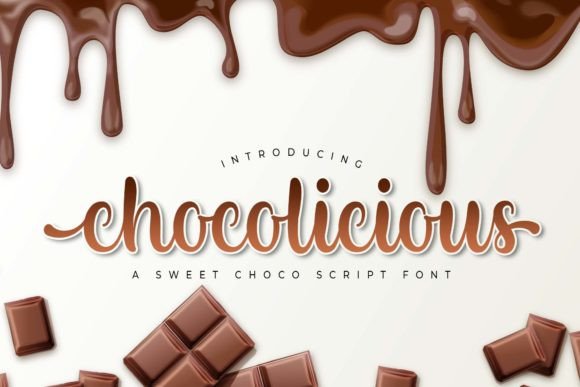
In a digital landscape saturated with clean, geometric sans serif fonts and rigid serif typefaces, there's a growing need for tools that inject warmth and personality. This is where a premium script font like Chocolicious enters the conversation. It’s not just another decorative typeface; it’s a deliberate choice for designers, entrepreneurs, and creators who want to move beyond generic templates and craft something that feels genuinely human. The delicate, flowing lines of this handwritten font offer a sophisticated yet approachable aesthetic, transforming standard text into a visual element with its own voice. Think of it as the digital equivalent of a beautifully penned note—it carries intention and style in every curve.
Understanding the Personality of This Creative Font
Chocolicious is a delicate and stylish handwritten script font, but those words only scratch the surface of its utility. Its visual characteristics are defined by a balanced mix of elegance and legibility. The letterforms connect with a natural, flowing rhythm, mimicking the subtle imperfections and fluid motion of real handwriting. This isn't a chaotic, overly casual scrawl; it's a refined script with a clear structure. The personality of the typeface is one of understated luxury and authentic charm. It feels personal and crafted, making it an excellent choice for projects where you need to build an immediate, emotional connection with the audience. Its overall appeal lies in its versatility—it can be dressed up for high-end branding or dressed down for a friendly, relatable blog header.
Where This Handwritten Font Truly Shines
The practical applications for a font like Chocolicious are vast, spanning both digital and print media. Its strength lies in its ability to act as a powerful display font, perfect for headlines, logos, and call-outs where you want to capture attention without shouting. In logo design, it can establish a brand identity that feels bespoke and artisanal, ideal for boutiques, cafes, lifestyle bloggers, and creative service providers. For editorial design, think magazine pull-quotes, chapter titles in a book, or the masthead of a stylish newsletter. It adds a layer of sophistication that a standard serif or sans serif font might lack.
Beyond traditional print, Chocolicious excels in the digital realm. It’s a fantastic asset for web design, particularly for hero sections or featured product names on an e-commerce site. On social media, it can make graphics for Instagram stories, Pinterest pins, or Facebook ads feel more personal and engaging, cutting through the noise of standard corporate text. For packaging design, especially for small businesses selling handmade goods, cosmetics, or specialty foods, this font communicates care and quality before the customer even tries the product. It’s also a dream for crafters and hobbyists working on wedding invitations, greeting cards, or personalized stationery.
Integrating Chocolicious into Your Brand Identity
Choosing a font is a strategic decision that influences how your audience perceives your brand. A typeface like Chocolicious can significantly shape brand perception by signaling creativity, authenticity, and attention to detail. When used consistently, it becomes a core component of your visual identity, enhancing brand recognition. However, its impact on readability and visual hierarchy must be managed carefully. As a script font, it’s best suited for short-form text—headlines, logos, and short phrases. Using it for long paragraphs would compromise readability and dilute its impact.
The key to effective use is contrast. Pairing this creative font with a clean, neutral sans serif font for body text creates a clear visual hierarchy. The script draws the eye to the most important message, while the sans serif provides a comfortable reading experience for supporting information. This font pairing strategy ensures your designs are both beautiful and functional. Think of Chocolicious as the star of the show and your chosen sans serif or serif font as the reliable supporting cast. This balance maintains professionalism while still allowing your brand’s unique character to shine through.
A Practical Guide to Choosing and Using This Typeface
Before committing to any premium font for a project, a practical evaluation is essential. First, consider the project’s tone. Is it meant to be luxurious, friendly, whimsical, or elegant? The personality of Chocolicious leans towards sophisticated and stylish, so ensure that aligns with your message. Next, test its performance in context. Create mockups of your logo, a social media post, or a website header. How does it look at different sizes? Does it remain legible on both a large desktop monitor and a small mobile screen?
One of the most significant advantages of a well-crafted font like this is its technical features. The fact that it is PUA encoded is a major benefit for any user. This means all the special characters, glyphs, and stylistic alternates are easily accessible, even in basic software that doesn't fully support advanced OpenType features. You can explore different swashes, ligatures, and letter variations to add a custom, hand-lettered feel to your work without needing expert design software. Always review the full character map included with the font to see the range of options available.
Finally, understand the licensing. Most commercial fonts come with specific terms for use. If you are creating a logo for a client, selling products with the font on them (like t-shirts or mugs), or using it in a paid advertisement, you will likely need a commercial license. Always read the license agreement provided with the font files to ensure your usage is compliant. This protects both you as the creator and the font designer’s work.
Incorporating a typeface like Chocolicious into your design toolkit is an investment in versatility and expression. It provides a reliable way to add a human touch to digital projects, build a memorable brand identity, and elevate creative work from simple to striking. By understanding its strengths and applying it thoughtfully, you can transform your ideas into authentic pieces of art that resonate with your audience.