Chinka: The Dazzling Script Font for Your Creative Toolkit
Every now and then, a typeface crosses your screen that stops the scroll. It’s not just another font; it has a distinct voice, a texture, and a personality that feels both fresh and familiar. Chinka is that kind of design. It’s a meticulously crafted script font that brings a level of detail and elegance often missing in the digital space. For anyone building a brand, designing a publication, or creating handmade goods, this is more than just a file—it’s a creative asset with genuine staying power.
A Closer Look at Its Visual Character
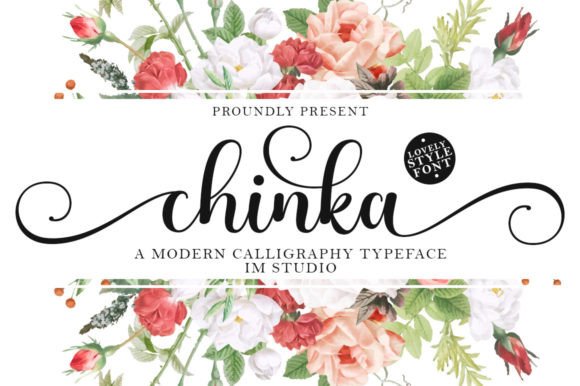
What sets Chinka apart is its dazzling, intricate detailing. This isn't a simple, uniform script. The letterforms show a careful balance between flowing, connected strokes and deliberate, refined flourishes. The result is a typeface that feels handcrafted and luxurious, yet perfectly legible. Its personality leans toward the sophisticated and artistic, avoiding the casual, overly relaxed vibe of many handwritten font options. Instead, it carries a modern elegance, making it a versatile premium font for projects that demand a touch of class without sacrificing approachability.
Think of it as the digital equivalent of a skilled calligrapher’s work. The slight variations in weight and the graceful connections between letters create a natural rhythm. This makes Chinka a powerful display font for headlines and logos, where it can truly shine and capture immediate attention. Its style is contemporary, fitting seamlessly into modern typography trends that favor authenticity and artisanal quality over sterile perfection.
Where Chinka Truly Shines: Real-World Applications
The true test of any creative font is its practical utility. Chinka’s strength lies in its adaptability across a surprising range of mediums. For entrepreneurs and small business owners, it’s a strategic tool for building a cohesive brand identity. Imagine it on a café menu, a boutique clothing label, or the header of a wedding planning website. It immediately communicates care, quality, and a personal touch.
In packaging design, Chinka can elevate a product from shelf to showcase. It works beautifully for artisanal goods, beauty products, or gourmet foods, where the packaging needs to tell a story of craftsmanship. Pair it with a clean sans serif font for body text to create a perfect font pairing that balances flair with function. For editorial design, such as magazine features, book chapter titles, or blog graphics, it adds a layer of visual interest that draws readers into the content.
Digital creators will find it invaluable for social media graphics, YouTube thumbnails, and podcast cover art. Its detailed rendering ensures it looks sharp on high-resolution screens. For web design, using Chinka for key call-to-action buttons or hero section titles can significantly boost audience engagement. It’s important to remember that as a script font, it’s best used for short, impactful text blocks to maintain readability. Using it for long paragraphs would hinder the user experience, but for a headline or a quoted phrase, it’s perfect.
Integrating Chinka into Your Workflow
Adopting a new typeface into your projects requires a thoughtful approach. Start by evaluating the project’s core message. Is it about personal connection, luxury, creativity, or tradition? Chinka’s elegant script aligns best with messages of artistry, intimacy, and premium quality. It might not be the right fit for a corporate finance report, but it’s ideal for a photographer’s portfolio or a bakery’s branding.
Testing is non-negotiable. Always check how the font renders in your specific application. Look at the spacing between letters (kerning) and words. Does it flow naturally? Does it maintain clarity at the size you need? A great practice is to create a simple mood board or a mockup of your project—be it a business card, a website header, or a product tag—to see how Chinka interacts with your color palette, imagery, and other design assets.
Pay attention to the included styles and glyphs. Many premium fonts come with alternate characters, ligatures, and stylistic sets that can add even more uniqueness to your designs. Exploring these can help you customize the look further. Finally, ensure you understand the licensing. For any commercial font, especially one intended for client work or products for sale, confirm that the license covers your intended use. This due diligence protects you legally and supports the font designers who create these valuable tools.
Ultimately, Chinka is more than just a beautiful script font; it’s a versatile component in a designer’s toolkit. It offers a way to inject personality and professionalism into a multitude of projects, helping to create visual hierarchies that guide the viewer’s eye and build brand recognition. By thoughtfully applying its detailed craftsmanship, you can enhance the perceived value of your work and connect with your audience on a more human, aesthetic level.